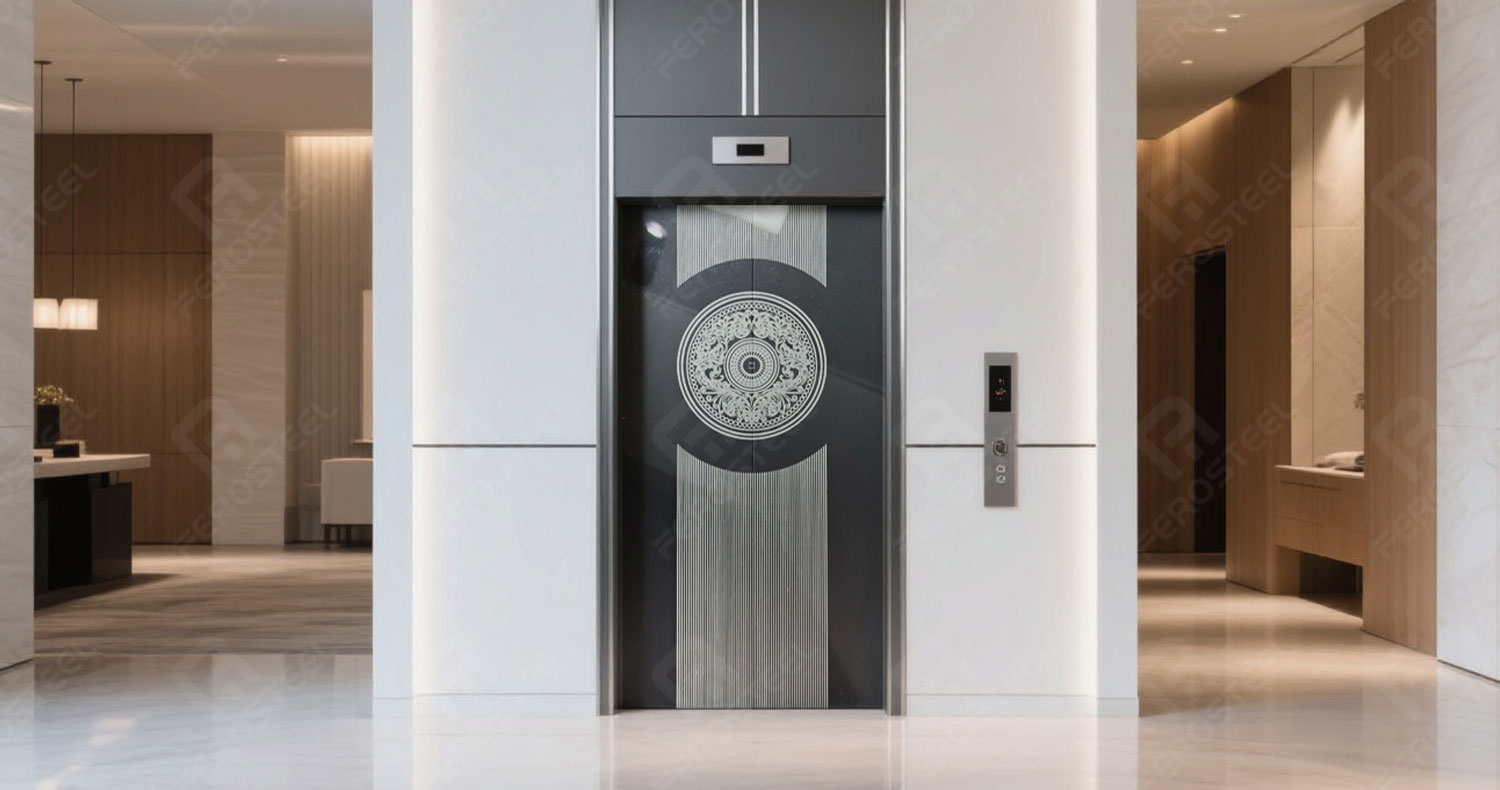
Elevators are among the most frequently used enclosed spaces in any commercial or residential building. For architects, interior designers, and building contractors, the elevator cab interior represents a unique design challenge — it must combine durability, fire safety, aesthetic appeal, and ease of maintenance within a compact footprint. Stainless steel cladding has become the material of choice for elevator interiors across hotels, office towers, hospitals, and retail centres worldwide. This guide covers everything you need to know about elevator interior stainless steel cladding, from material grades and surface finishes to design strategies and installation best practices.
The elevator cab is a high-traffic, high-wear environment. Passengers lean against walls, luggage and trolleys scrape against surfaces, and cleaning crews use aggressive chemicals on a daily basis. Elevator cab cladding made from stainless steel withstands all of these challenges while maintaining a premium appearance for decades.
Key advantages of stainless steel in elevator interiors include:
Selecting the right grade is the foundation of a successful elevator cladding project. The two most common grades used in decorative elevator panels are 304 and 316.
Grade 304 (18% chromium, 8% nickel) is the workhorse of elevator interior applications. It offers excellent corrosion resistance for indoor environments, good formability for panel fabrication, and cost-effectiveness for large-scale projects. Most standard office and residential elevator cabs use 304-grade stainless steel cladding.
Grade 316 adds 2% molybdenum, which significantly improves resistance to pitting and crevice corrosion — especially from chlorides. This makes 316 the preferred choice for elevator cabs in coastal buildings, swimming pool facilities, chemical plants, and food processing environments where sanitising chemicals are used frequently.
For a deeper comparison of these two grades, refer to our 304 vs 316 Stainless Steel for Decorative Applications guide.
The surface finish you choose determines both the visual character and the practical performance of the elevator interior stainless steel cladding. Here are the most popular options:
Mirror-finish stainless steel creates a dramatic, reflective effect that makes small elevator cabs feel more spacious. It is widely used in luxury hotel and high-end retail elevators. However, mirror finishes show fingerprints and scratches easily, requiring regular maintenance.
Hairline finish features continuous uni-directional polishing lines that create a subtle, elegant appearance. It is the most common finish for standard commercial elevator cabs because it hides minor scratches and is relatively easy to refinish on-site.
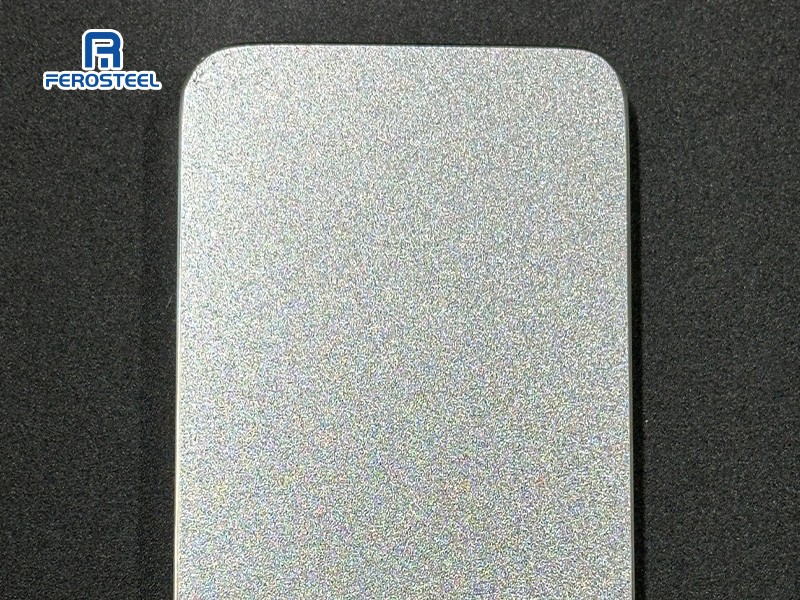
Bead blasting produces a uniform matte surface with a soft, non-directional appearance. This finish is popular in modern minimalist designs and is effective at concealing fingerprints.
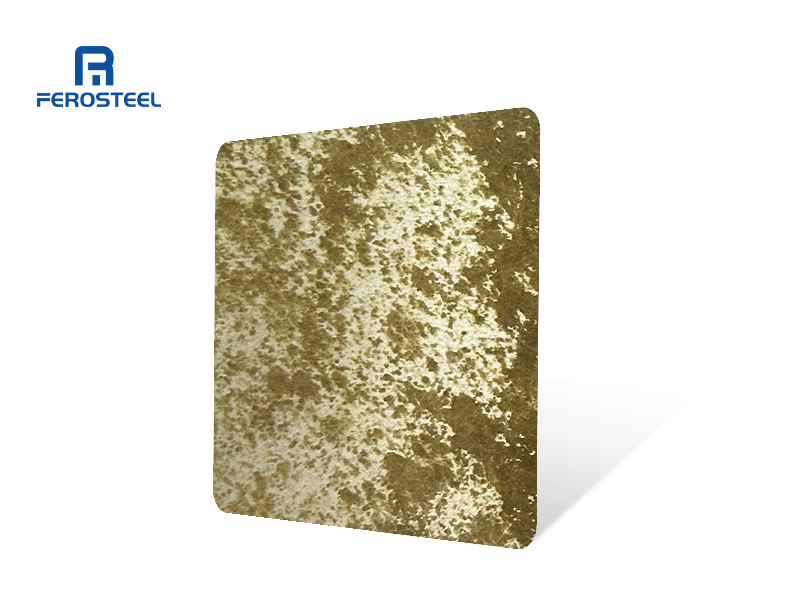
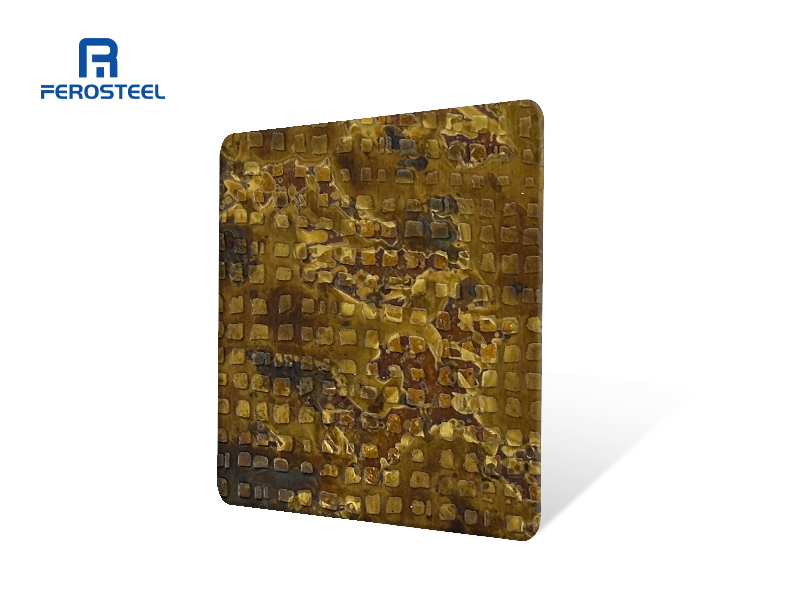
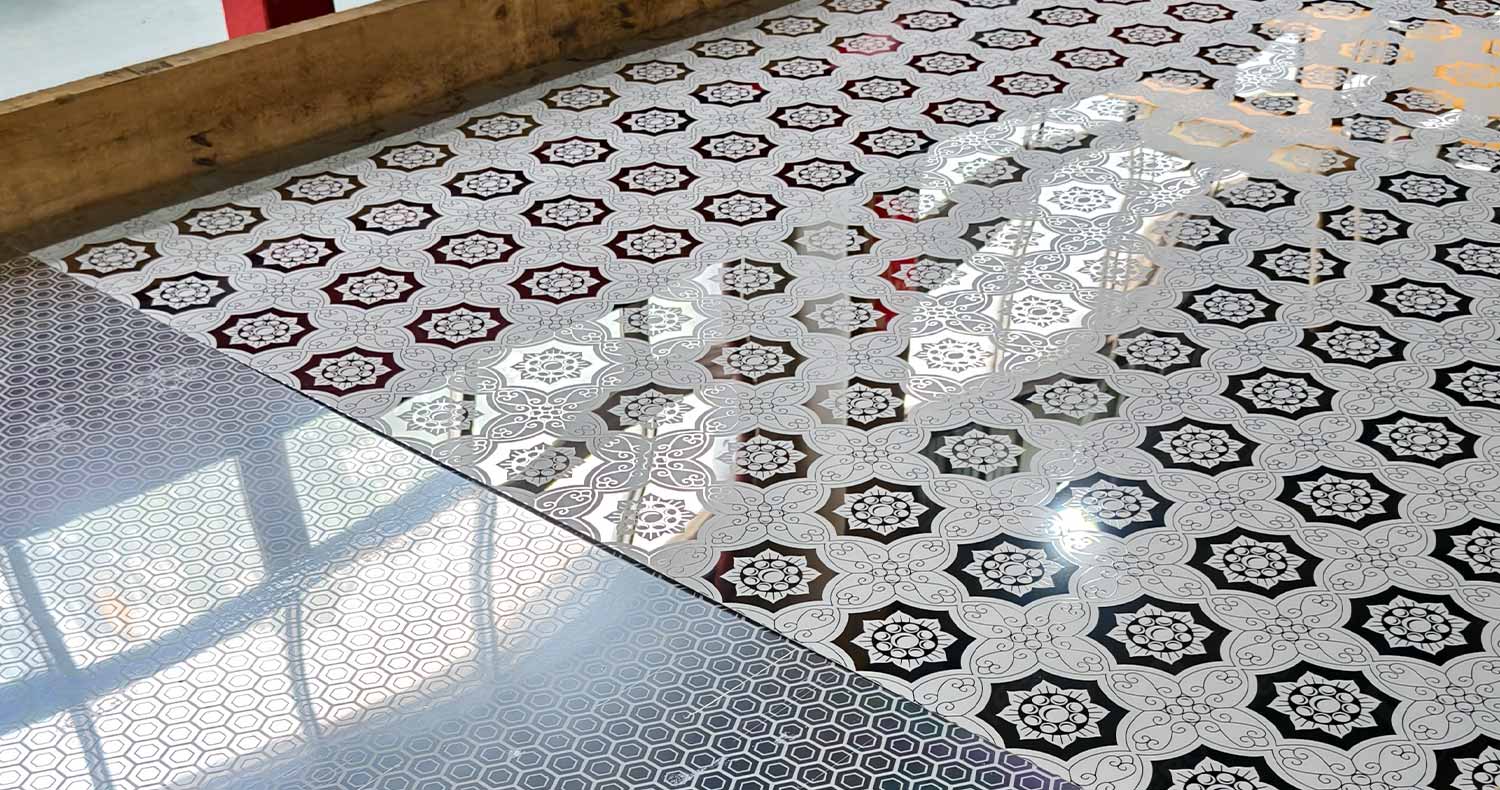
Etched elevator sheet products offer custom patterns — from geometric designs to scenic landscapes — chemically etched into the stainless steel surface. These panels add a bespoke design element to premium elevator interiors. Explore our etched antique bronze decorative panels for custom pattern options.
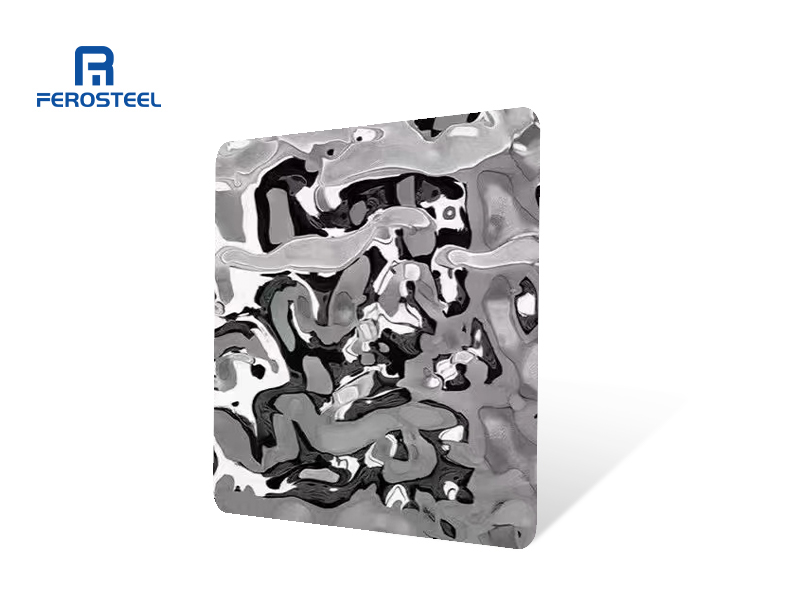
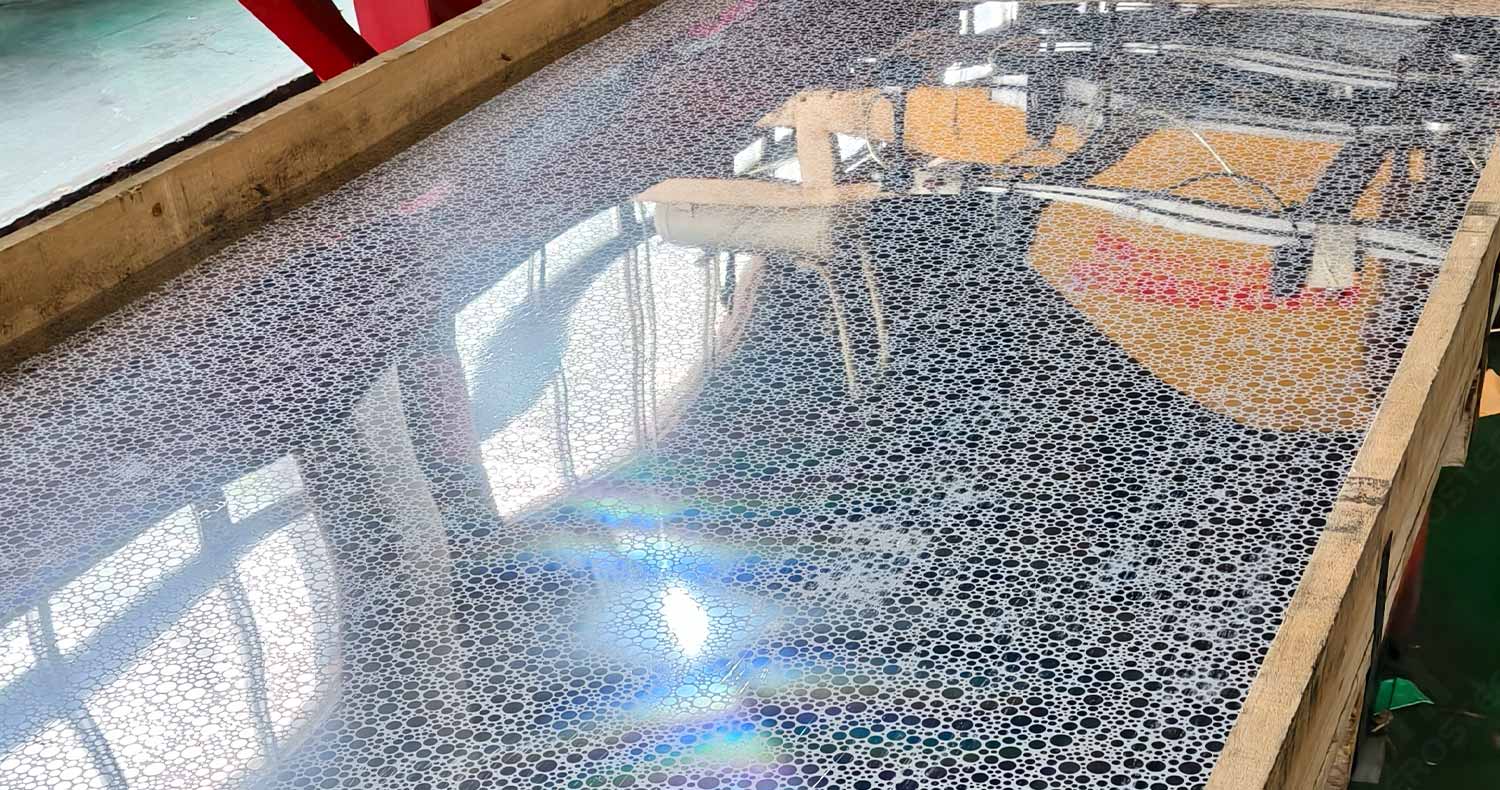
Textured finishes like 6WL rain drop provide both visual depth and superior scratch-hiding capability. The embossed pattern diffuses light and masks everyday wear, making it ideal for high-traffic elevator cabs. See our 6WL rain drop stamped stainless steel sheet for product specifications.
| Material | Durability | Fire Rating | Aesthetic Range | Maintenance | Relative Cost |
|---|---|---|---|---|---|
| --- | --- | --- | --- | --- | --- |
| Stainless Steel (Hairline) | Excellent — 20+ year lifespan | Class A | High — multiple finishes & colours | Low — wipe clean | Medium |
| Stainless Steel (Mirror) | Very Good — prone to scratching | Class A | Very High — luxury reflective look | Medium — frequent polishing | Medium-High |
| Stainless Steel (Etched/Textured) | Excellent — scratches hidden | Class A | Very High — custom patterns | Very Low — self-masking | Medium-High |
| Laminated Panels (HPL) | Moderate — chips and delamination | Class B | Medium — printed patterns | Medium — replacement needed | Low |
| Painted MDF | Low — scratches and moisture damage | Class B | Medium — any colour | High — frequent repainting | Low |
| Glass / Tempered Glass | Good — but etching and chips | Class A | High — tinted, printed | Medium — specialised cleaning | High |
| Stone Veneer | Good — heavy and fragile joints | Class A | High — natural variation | Medium — sealing required | High |
As the table shows, stainless steel offers the best balance of durability, fire safety, and design flexibility at a competitive price point for elevator interiors.
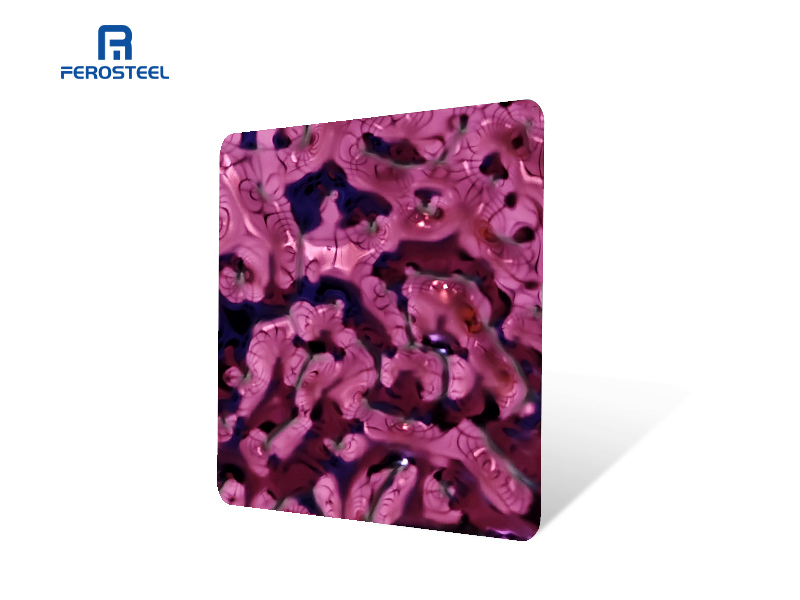
Luxury hotels demand elevator interiors that make a strong first impression. Combining PVD-coloured stainless steel panels with mirror-finish ceiling accents creates a warm yet sophisticated ambience. Popular PVD colours for hotel elevators include champagne gold, rose gold, and bronze — all of which maintain their colour without fading for 15+ years.
For corporate environments, hairline-finish stainless steel wall panels paired with recessed LED lighting strips deliver a clean, professional look. The 6WL rain drop texture is increasingly used in tech-company offices for its modern, tactile surface that resists visible wear even in buildings with thousands of daily elevator trips.
Hospital elevator cabs require surfaces that can withstand daily disinfection with harsh chemicals. Grade 316 bead-blast stainless steel is the standard choice — its matte finish hides cleaning streaks, and its chloride resistance prevents corrosion from hospital-grade sanitisers.
High-traffic retail elevators benefit from textured decorative elevator panels that maintain their appearance under constant use. Etched patterns with brand-specific designs are increasingly popular in flagship stores, turning the elevator cab into an extension of the brand experience.
Proper installation is critical for elevator cab cladding performance. Here are the key steps:
One of the greatest advantages of elevator interior stainless steel cladding is its minimal maintenance requirement:
With proper care, stainless steel elevator cladding can maintain its original appearance for 20-30 years — far exceeding the 5-7 year lifespan typical of laminated or painted alternatives.
The standard thickness for elevator cab wall panels is 0.8 mm to 1.5 mm. Thinner gauges (0.8-1.0 mm) are used for flat wall panels with bonded substrates, while 1.2-1.5 mm is recommended for panels with folded return edges or those requiring self-supporting rigidity. Ceiling panels typically use 0.8 mm to keep weight low.
Yes. Custom etched elevator sheet products allow logos, geometric patterns, or scenic designs to be chemically etched into the stainless steel surface. Etching depths of 0.1-0.3 mm create visible patterns without compromising structural integrity. PVD colouring can also be combined with etching for multi-coloured decorative effects.
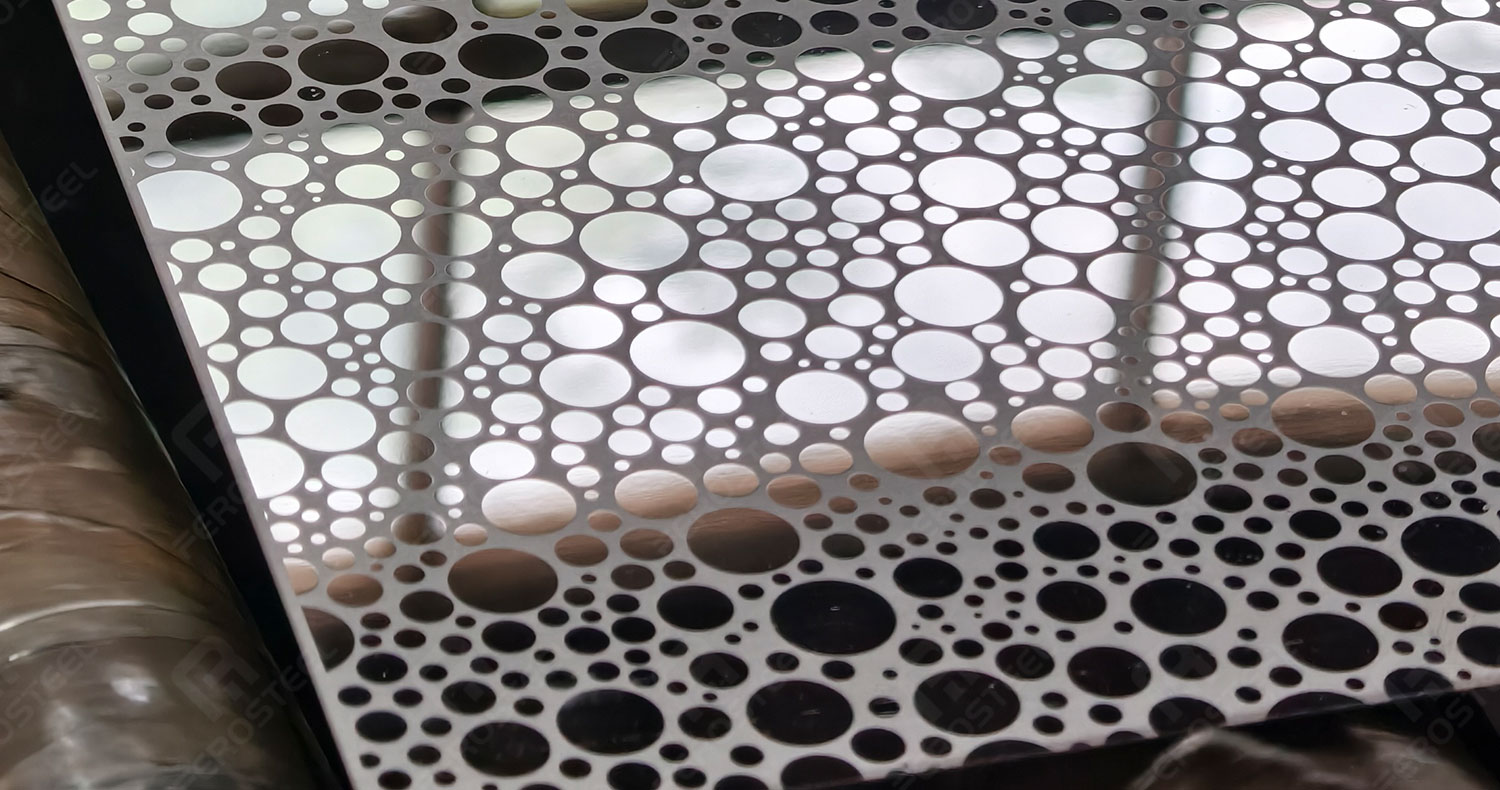
Absolutely. Stainless steel ceiling panels — especially mirror or bead-blast finishes — are popular in elevator cabs because they reflect light and create a sense of height. Perforated stainless steel panels with LED backlighting behind them are a growing trend for premium elevator ceiling design.
Stainless steel significantly outperforms laminated panels in durability, fire safety, and lifespan. While laminated panels (HPL) are cheaper upfront, they typically need replacement every 5-7 years due to chipping, delamination, and wear. Stainless steel lasts 20+ years with minimal maintenance, offering a lower total cost of ownership over the building's lifecycle.
Hairline finish features continuous, uniform polishing lines in a single direction (typically 150-240 grit), creating a sleek, refined appearance. Brushed finish is broader and may include random-direction or multidirectional polishing, resulting in a slightly rougher, more industrial look. For elevator interiors, hairline is preferred for its elegance and ease of on-site refinishing.
Yes. PVD (Physical Vapour Deposition) coating is ideal for elevator interiors because it provides a wide range of colours — gold, bronze, rose gold, black, blue, and more — while maintaining the full durability and fire resistance of stainless steel. PVD coatings are 0.3-0.5 microns thick, do not alter panel dimensions, and are scratch-resistant. Learn more in our Stainless Steel PVD Coating Guide.
Contact us for free samples and quotation. Ferosteel is a leading manufacturer of decorative stainless steel sheets for elevator interiors, wall cladding, and architectural applications. Our team provides custom cutting, PVD colouring, etching, and embossing services to meet your project specifications. Get in touch today to request free material samples and a detailed quotation for your next elevator interior project.
 Office address: 26 Floor, Shibo Financial Center, Fenjiang South Road No.38, Chancheng, Foshan, GuangDong, China
  Phone
: +86 -18024913898
Phone
: +86 -18024913898 البريد الإلكتروني
: [email protected]
البريد الإلكتروني
: [email protected]


 IPv6 دعم الشبكة
 اترك رسالة